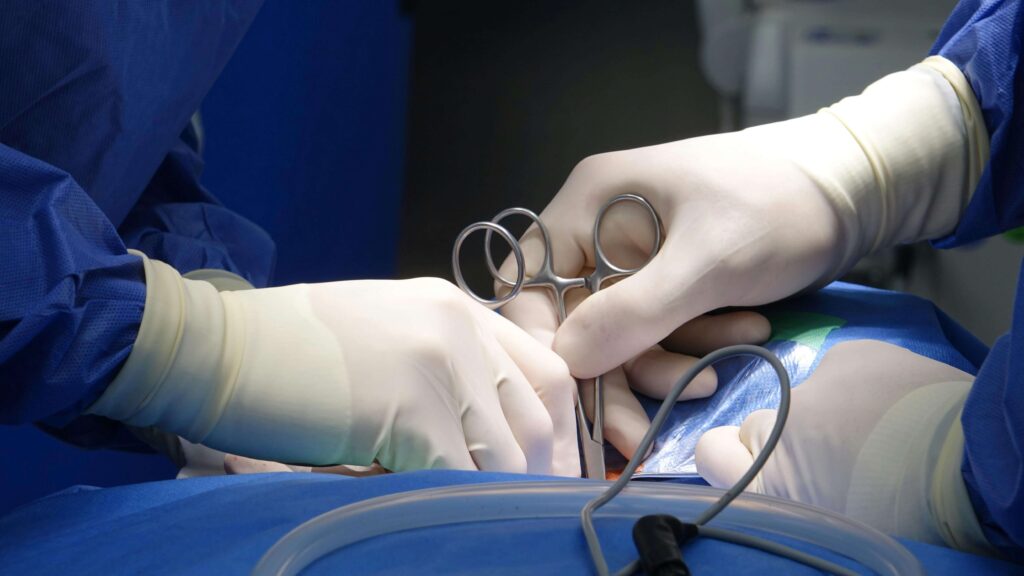
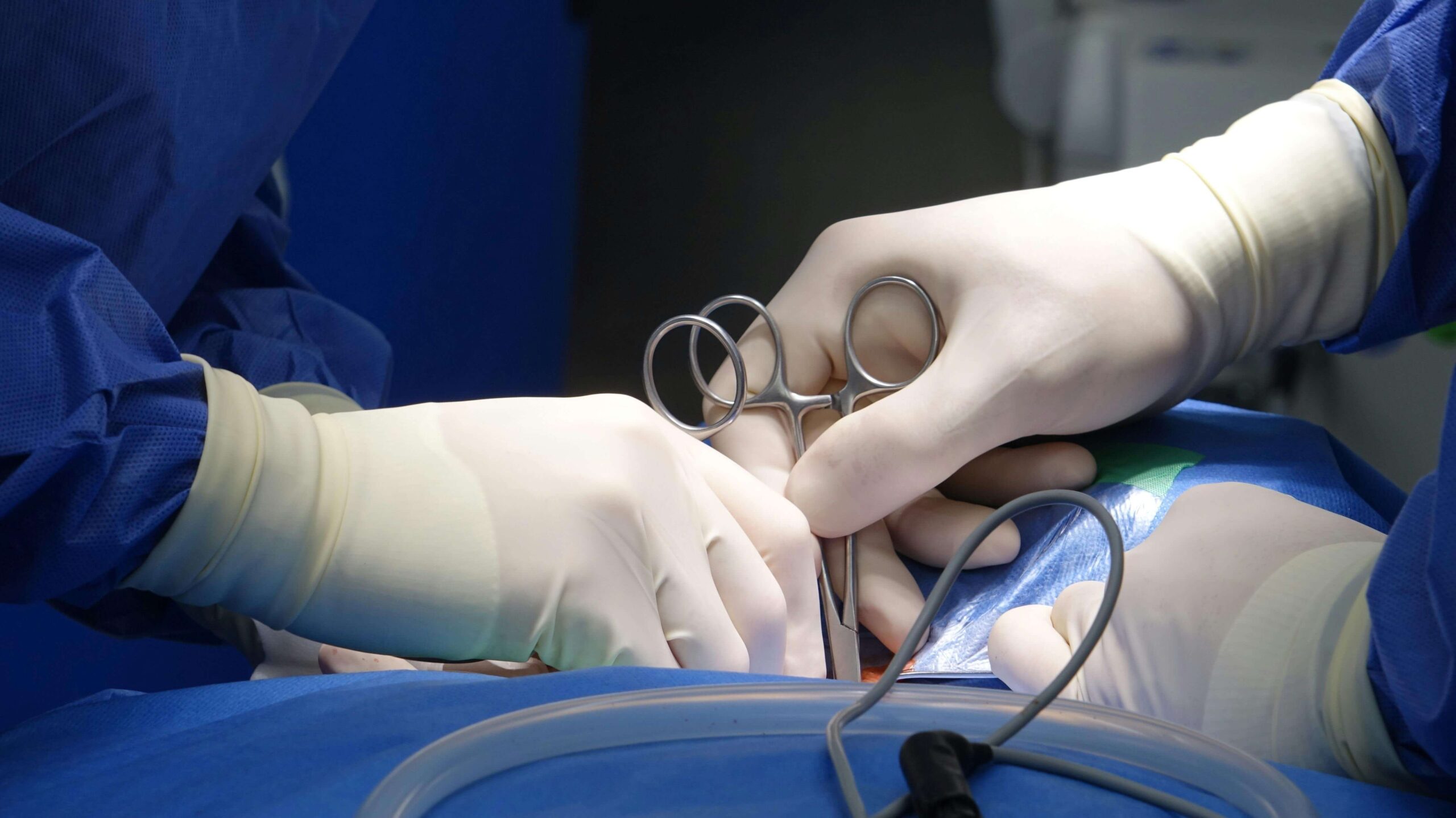
A dorsal slit is a procedure that opens the foreskin with a cut along the top (dorsal) side to relieve the tightness of the foreskin. It does not remove the foreskin (unlike circumcision). It is mainly used to quickly relieve a tight, swollen, or trapped foreskin (paraphimosis) or when circumcision is not suitable at that time. The procedure can be performed as a standalone emergency intervention or as part of a formal circumcision.
At London Circumcision Centre, we assess foreskin problems carefully and discuss whether a dorsal slit is appropriate, or whether a planned foreskin procedure (such as circumcision or preputioplasty) is more suitable for long-term results.
Medical disclaimer: This page provides general information and is not a substitute for a diagnosis. If you have severe pain, rapidly increasing swelling, marked colour change of the glans, heavy bleeding, fever, or you cannot pass urine, seek urgent medical assessment.
Who This Is For
A dorsal slit may be considered if:
- Your foreskin is too tight to retract (phimosis), and you need urgent relief or examination access
- You have paraphimosis (foreskin trapped behind the glans), and swelling prevents the foreskin from being returned normally
- You are not suitable for circumcision at that time (for example, significant medical factors), or you prefer a less definitive option initially
- Emergency situations requiring rapid access to the glans penis
- You are unfit for circumcision
- You are unwilling to be circumcised
It may be less suitable if you want a definitive, long-term solution for recurrent symptoms, because a dorsal slit can leave you with a persistent “open” foreskin appearance, and some men later choose circumcision for symptom control or cosmetic reasons.
When It is Recommended
We may recommend a dorsal slit when:
- There is urgent swelling or tightness, and a quick, effective release is needed
- The foreskin tightness is preventing adequate assessment (for example, the glans or wee hole cannot be checked properly)
- Circumcision is not appropriate immediately, or you need a stabilising step before a planned definitive procedure
Alternatives
Depending on your condition and urgency, alternatives may include:
- Manual reduction and supportive measures in paraphimosis (where appropriate)
- Topical treatment for inflammation in selected non-scarred cases
- Preputioplasty (foreskin-preserving widening) for selected cases of phimosis
- Circumcision as a definitive option for persistent, scar-related, or recurrent problems
Techniques And Options We Offer
A dorsal slit typically involves:
- Opening the tight ring at the foreskin tip to relieve constriction
- Controlling bleeding and closing in a way that leaves the foreskin open rather than fully restored to its previous tight opening
The exact approach depends on why it is being done (for example, urgent paraphimosis vs tight foreskin relieving the urinary obstruction), the degree of swelling, and what longer-term plan is most appropriate.
Anaesthesia And Comfort
A dorsal slit can be done with local anaesthetic in many cases. In some situations (severity, anxiety, medical factors, or complexity), other anaesthetic options may be discussed.
The aim is to keep you comfortable and allow safe control of swelling and bleeding.
What Happens On The Day
Assessment And Consent
We will:
- Confirm the cause of tightness (for example, phimosis vs acute swelling)
- Check for signs that suggest scarring disease (such as BXO/lichen sclerosus), infection, or significant inflammation
- Explain the likely outcome and appearance after a dorsal slit, and whether a later definitive procedure may still be advised
- Obtain informed consent
- Explained the procedure, complications and risks
The Procedure
Typically:
- Local anaesthetic is applied/injected to numb the area
- The tight band is released with a planned incision
- Bleeding is controlled, and a dressing may be applied
- You go home the same day with aftercare guidance by email (and follow-up if needed)
Recovery And Healing Timeline
Recovery depends on how swollen or inflamed the foreskin is at the time of the procedure.
What you can usually expect:
- First few days: swelling and bruising are common; discomfort is usually manageable with simple pain relief
- 1–2 weeks: the wound settles; you may still have tenderness
- several weeks: scar softening continues, and the final appearance becomes clearer
Time off and activity:
- Many people return to non-physical work in a few days if comfortable
- avoid heavy exercise, cycling, swimming, and sex until healing is secure (we give individual guidance based on your wound and swelling)
Risks And Complications
Most procedures are straightforward, but possible risks include:
- bleeding
- infection
- bruising and swelling
- wound discomfort or tenderness as it heals
- cosmetic dissatisfaction (the foreskin may remain “open”)
- Skin tunnels (subcutaneous tissue bridges) were observed in dorsal slit cases – a complication unique to this technique
- persistent or recurrent symptoms that later require a definitive procedure (often circumcision)
Aftercare And Follow-Up
Aftercare depends on whether the procedure was done urgently for swelling or as a planned release. We provide written, step-by-step instructions, but general principles include:
Do
- Keep the area clean and dry as advised for 3-4 days
- Rinse gently after urinating if needed and pat dry
- Wear supportive underwear to reduce friction
- Take simple pain relief if suitable for you
Don’t
- Do not soak the area (baths/swimming) until the wound is healing well
- Do not restart sex/masturbation until healing is secure
- Do not force the foreskin if it is painful or very swollen
When To Seek Urgent Help
Seek urgent medical assessment if you have:
- bleeding that does not settle with gentle pressure
- rapidly increasing swelling, worsening pain, or significant redness/heat
- pus-like discharge or a foul smell from the wound
- fever or feeling unwell
- Difficulty passing urine or inability to pass urine
- darkening/colour change of the glans, or severe tenderness that is worsening
Booking A Consultation
If you have a tight foreskin, recurrent swelling, or a foreskin that has become trapped behind the glans, we can assess you and explain:
- whether dorsal slit is appropriate now
- whether a planned definitive procedure (such as circumcision or preputioplasty) would better match your goals and reduce recurrence risk
- What recovery and aftercare will involve
If you would like an assessment for foreskin tightness or recurrent swelling, please contact the London Circumcision Centre with our Urological Surgeon to book a consultation.